Got Unused Medications? How to Get Rid of Them and Why it’s Important! (2026)

National Prescription Drug Take Back Day happens twice a year, in April and October. The spring 2026 Take Back Day is on Saturday, April 25th!
Here is some info about how to get rid of your unwanted medications and help youth to be more savvy about the risks of prescription medications and fake pills all year round.

What is National Prescription Drug Take Back Day?

On Take Back Day, community members are encouraged to bring their expired or unwanted medications and drop them off, no questions asked. 

In our region, multiple police departments are open as drop off locations in Franklin County and the North Quabbin region.

Some departments have permanent drop boxes, and some are open just for Take Back Day.

Locally, the Northwestern District Attorney’s Office, the Opioid Task Force, and other organizations – including youth health and youth substance use prevention coalitions like ours – promote and support local efforts. Nearly 82,000 pounds have been collected since 2011!

Here is a great post from 2024 by Those Nerdy Girls about National Clean Out Your Medicine Cabinet Day, the thing we all need to do before bringing meds to drop off locations. It reminds us about how to make sure we find all the meds in the house, and it also includes the “flush list,” the list of the medications that are OK to flush down the toilet.

Find year-round drop locations at local pharmacies, hospitals, and police departments here

Need to dispose of needles/sharps?

Most drop off locations don’t accept needles/sharps. The Sharps Disposal Program of Franklin County has multiple drop-off locations. Learn more here.

Is there any way to safely dispose of unwanted medications in household trash?

Although it’s often better for the environment to use a drop box location, you can also do it safely at home. The FDA recommends these steps for disposing of  prescription and over-the-counter (OTC) drugs in pills, liquids, drops, patches, and creams:

  1. Remove the drugs from their original containers and mix them with something undesirable, such as used coffee grounds, dirt, or cat litter. This makes the medicine less appealing to children and pets and unrecognizable to anyone looking for drugs.
  2. Put the mixture in something you can seal (a re-sealable zipper storage bag, empty can, or other container) to prevent the drug from leaking or spilling out.
  3. Throw the container in the garbage.
  4. Scratch out your personal information on empty medicine packaging before throwing it away to protect your identity and privacy. 

Why is Take Back Day important?

Proper disposal of unused drugs saves lives and protects the environment. 

The majority of misused prescription drugs in this country are obtained from family and friends, often from a home medicine cabinet. Every year, unused or expired prescription medications lead to accidental poisoning, misuse, overdoses, and suicides. Medications can also pollute drinking water sources and soil when they are flushed down the toilet or put in the trash.  

Talk with kids and teenagers about drugs and alcohol, including pills, cannabis, and nicotine. 

Talk and connect with youth about drugs and alcohol:
The Talk. They Hear You. campaign is free and includes tips and app to practice talking with kids and teens about alcohol and drugs. 
How to Connect with Your Teenager to Prevent Drug Use from The Partnership to End Addiction – concrete tips on staying involved and talking with youth.
Learn and talk with youth about the risks of fentanyl, which is being added to fake pills and other drugs:
Drop the F*Bomb is a campaign to help parents and caregivers talk with youth about the risks of fentanyl, including fake pills.

What else can we do to help year-round?

There are many ways to help prevent misuse, addiction, and overdose. Here are a few:

 When you are prescribed pain medicine after a surgery or medical procedure and think you won’t use all of it, you can request a smaller amount of medication – either a lower dose or fewer pills. If you are not sure, you can talk with the medical provider prescribing about the options.

 Lock up your medications and any other drugs, including cannabis. Lock boxes are available online and locally at Home Depot, the Turners Falls Aubuchon, and other locations. Locking up drugs can protect people and also pets.  

 Keep track of what you have, so you notice if anything is missing. 

 Clearly label medications and other drugs so they aren’t taken (or eaten) accidentally.

 If you think a person of any age or a pet has consumed medication that is not theirs or may have consumed too much, call the poison control center at (800) 222-1222 or call 911. 

 Talk with kids and youth about drugs and alcohol, including prescription and over-the-counter medication, fake pills, cannabis, and nicotine. See the yellow box above with great resources for learning about the issues and protecting the young people you care about.

Sources:  SAMHSANIDA, The Northwestern DA’s Office, the FDA, and listed resources.
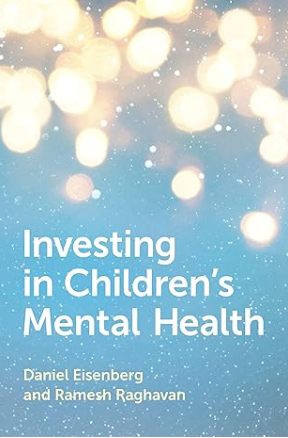
Coalition Featured in book on Investing in Children’s Mental Health

The Communities That Care Coalition of Franklin County and the North Quabbin is featured in a new book from Oxford University Press on Investing in Children’s Mental Health as one of the best available investments in children’s mental health. The authors, Daniel Eisenberg (professor of health economics at UCLA) and Ramesh Raghavan (mental health researcher and professor at NYU), present five case studies to forward society’s thinking on three questions: (1) What are some of the best available investments to improve the mental health of children and adolescents in the United States? (2) To what extent are these investments being made? and (3) What can practitioners, child-serving organizations, policymakers, and other stakeholders do to promote such investments? 

The authors attended several CTC coalition and workgroup meetings and the book contains a glowing chapter on our coalition. The authors make note of the community’s longstanding collaborative culture, of the coalition’s “informal approach” balanced with “clear professionalism and dedication,” explaining that “The inclusive and collaborative culture appears to welcome, rather than deflect or resist, difficult questions and potentially competing groups and ideas,” and “By nearly every measure, the results of the coalition’s work have been impressive.”

Got Unused Medications? How to Get Rid of Them and Why it’s Important! (2026)

National Prescription Drug Take Back Day happens twice a year, in April and October. The next Take Back Day is on April 25!

Here is some info about how to get rid of your unwanted medications and help youth to be more savvy about the risks of prescription medications and fake pills all year round.

What is National Prescription Drug Take Back Day?

On Take Back Day, community members are encouraged to bring their expired or unwanted medications and drop them off, no questions asked. 

In our region, multiple police departments are open as drop off locations in Franklin County and the North Quabbin region.

Some departments have permanent drop boxes, and some are open just for Take Back Day.

Locally, the Northwestern District Attorney’s Office, the Opioid Task Force, and other organizations – including youth health and youth substance use prevention coalitions like ours – promote and support local efforts. Nearly 82,000 pounds have been collected since 2011!

Here is a great post from 2024 by Those Nerdy Girls about National Clean Out Your Medicine Cabinet Day, the thing we all need to do before bringing meds to drop off locations. It reminds us about how to make sure we find all the meds in the house, and it also includes the “flush list,” the list of the medications that are OK to flush down the toilet.

Find year-round drop locations at local pharmacies, hospitals, and police departments here

Need to dispose of needles/sharps?

Most drop off locations don’t accept needles/sharps. The Sharps Disposal Program of Franklin County has multiple drop-off locations. Learn more here.

Is there any way to safely dispose of unwanted medications in household trash?

Although it’s often better for the environment to use a drop box location, you can also do it safely at home. The FDA recommends these steps for disposing of  prescription and over-the-counter (OTC) drugs in pills, liquids, drops, patches, and creams:

  1. Remove the drugs from their original containers and mix them with something undesirable, such as used coffee grounds, dirt, or cat litter. This makes the medicine less appealing to children and pets and unrecognizable to anyone looking for drugs.
  2. Put the mixture in something you can seal (a re-sealable zipper storage bag, empty can, or other container) to prevent the drug from leaking or spilling out.
  3. Throw the container in the garbage.
  4. Scratch out your personal information on empty medicine packaging before throwing it away to protect your identity and privacy. 

Why is Take Back Day important?

Proper disposal of unused drugs saves lives and protects the environment. 

The majority of misused prescription drugs in this country are obtained from family and friends, often from a home medicine cabinet. Every year, unused or expired prescription medications lead to accidental poisoning, misuse, overdoses, and suicides. Medications can also pollute drinking water sources and soil when they are flushed down the toilet or put in the trash.  

Talk with kids and teenagers about drugs and alcohol, including pills, cannabis, and nicotine. 

Talk and connect with youth about drugs and alcohol:
The Talk. They Hear You. campaign is free and includes tips and app to practice talking with kids and teens about alcohol and drugs. 
How to Connect with Your Teenager to Prevent Drug Use from The Partnership to End Addiction – concrete tips on staying involved and talking with youth.
Learn and talk with youth about the risks of fentanyl, which is being added to fake pills and other drugs:
Drop the F*Bomb is a campaign to help parents and caregivers talk with youth about the risks of fentanyl, including fake pills.

What else can we do to help year-round?

There are many ways to help prevent misuse, addiction, and overdose. Here are a few:

 When you are prescribed pain medicine after a surgery or medical procedure and think you won’t use all of it, you can request a smaller amount of medication – either a lower dose or fewer pills. If you are not sure, you can talk with the medical provider prescribing about the options.

 Lock up your medications and any other drugs, including cannabis. Lock boxes are available online and locally at Home Depot, the Turners Falls Aubuchon, and other locations. Locking up drugs can protect people and also pets.  

 Keep track of what you have, so you notice if anything is missing. 

 Clearly label medications and other drugs so they aren’t taken (or eaten) accidentally.

 If you think a person of any age or a pet has consumed medication that is not theirs or may have consumed too much, call the poison control center at (800) 222-1222 or call 911. 

 Talk with kids and youth about drugs and alcohol, including prescription and over-the-counter medication, fake pills, cannabis, and nicotine. See the yellow box above with great resources for learning about the issues and protecting the young people you care about.


Sources:  SAMHSANIDA, The Northwestern DA’s Office, the FDA, and listed resources.
Training for Early Childhood Providers

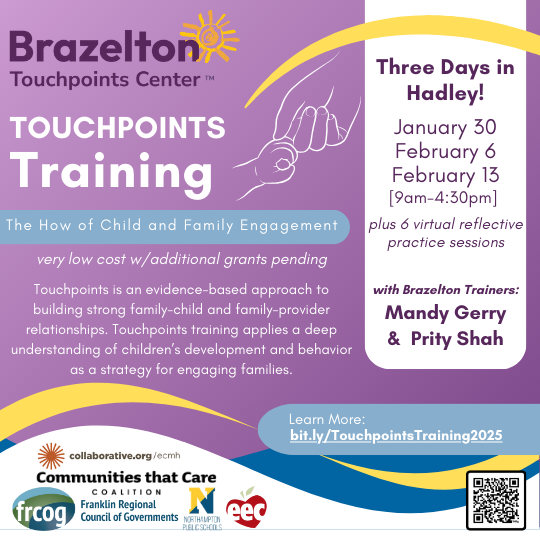
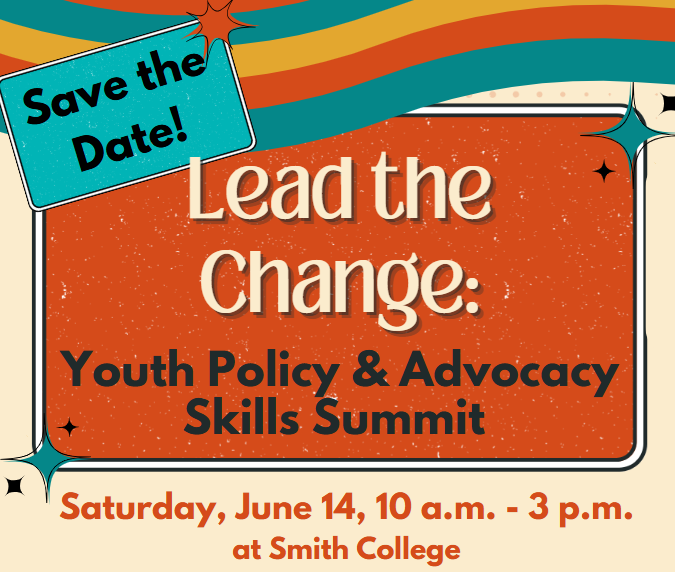
The Communities That Care Coalition is one of the sponsors of an upcoming training series, The How of Child and Family Engagement. The focus is primarily on helping providers connect with and support family relationships as parents navigate the challenges of the early childhood years. It’s designed to strengthen parent-provider relationships as well as relationships within families. 

Flyer with training detalls and website bit.ly/TouchpointsTraining2025

Dr. Martin Luther King Jr. Day 2025

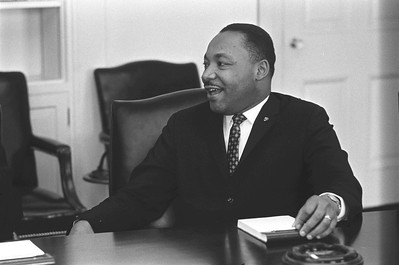
Photo credit: LBJ Library photo by Yoichi Okamoto
www.lbjlibrary.net/collections/photo-archive.html, serial no. W418-5. A large (40MB) TIFF version of this image is available at this link.

Monday, January 20, 2025, is Dr. Martin Luther King Jr. Day.  Dr. King is best known for his work in the United States Civil rights movement, but his legacy stretches far beyond that, including his activism against the use of nuclear weapons.

Dr. King believed that the immense destructive power of nuclear weapons was incompatible with his principles of nonviolence. He also noted that the nuclear arms race diverted resources away from work on poverty and social issues, while also stoking fear and creating real danger of global disaster. He saw disarmament as essential for global peace and urged U.S. leaders to work towards creating a world free from the threat of nuclear devastation.

Here are some articles that address Dr. King’s anti-nuclear war activism, as well as other ways he had an impact worldwide.

Dr. Martin Luther King Jr. wanted a nuclear weapons ban

Nuclear Weapons and the Legacy of Dr. King

Examining The Global Impact Of Martin Luther King

Martin Luther King on Non-Violence and Disarmament

The cause MLK fought for that we tend to forget

Phone Free Schools Legislation for MA

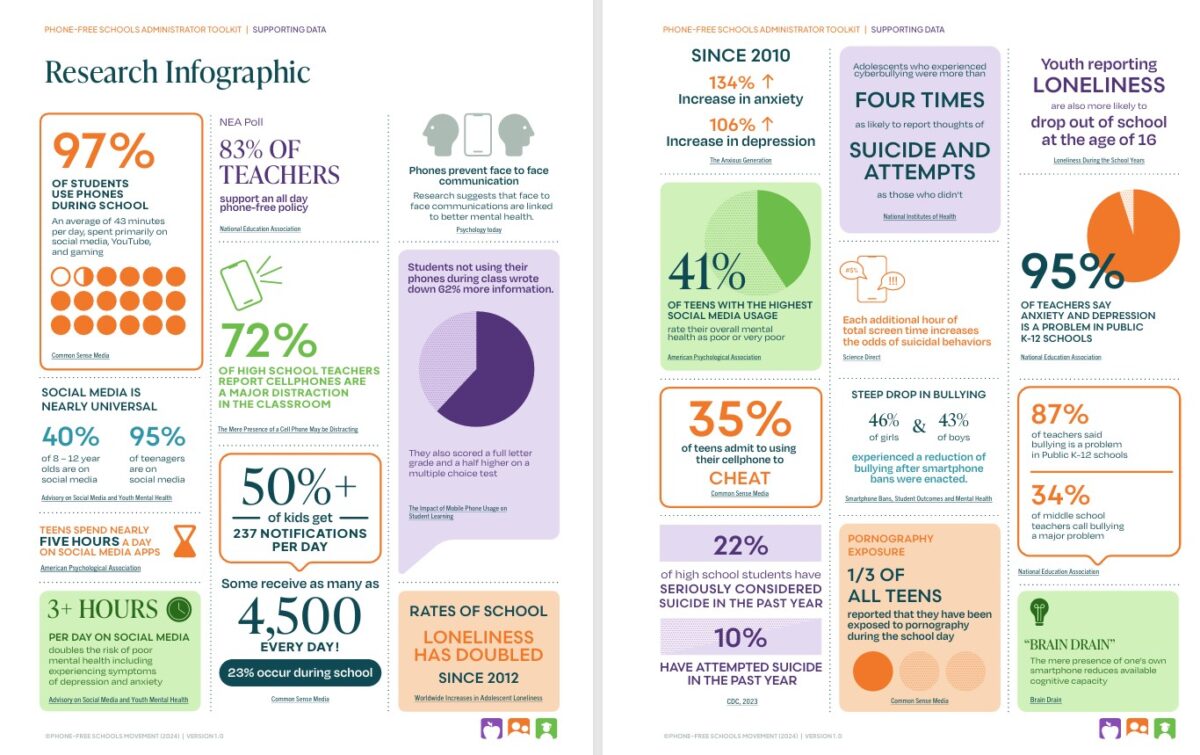
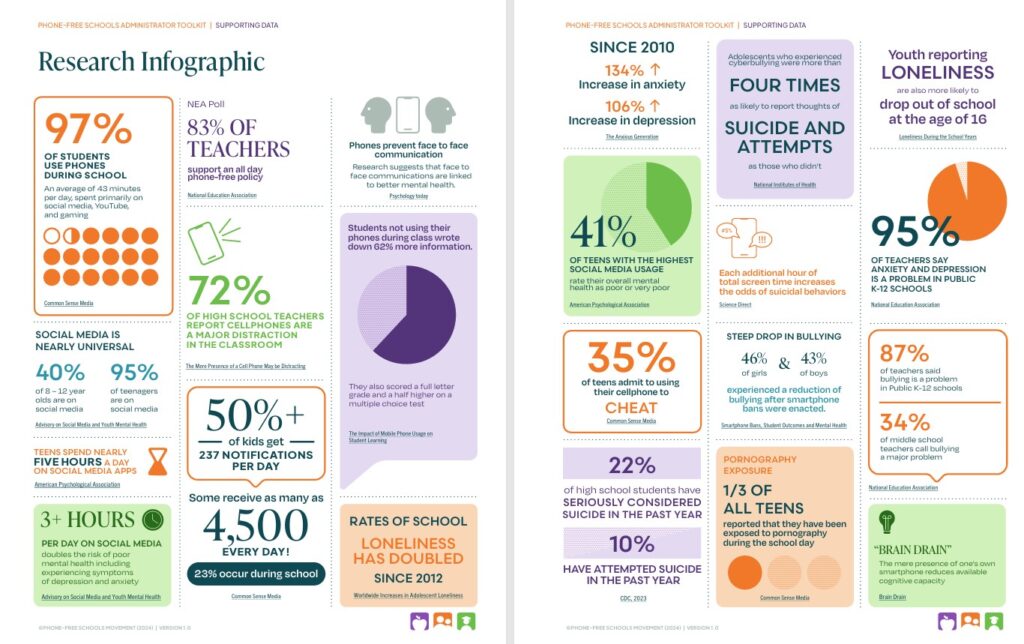
Legislation has just been filed in the Massachusetts Senate and House requiring all schools in Massachusetts (K-12) to implement bell-to-bell (all day) phone and social media free policies.  The Massachusetts Teachers Association, Education Secretary, and Attorney General have all come out in support. For more information about this legislation, see this Briefing Doc with FAQs, for relevant statistics see this Infographic from Phone-Free Schools Movement, and to sign your name or agency in support of this bill click for this Community Support Letter.

Infographic with Statistics about the impact of phones in schools.
From Phone-Free Schools Movement, 2024

2024 Student Health Survey Data Released

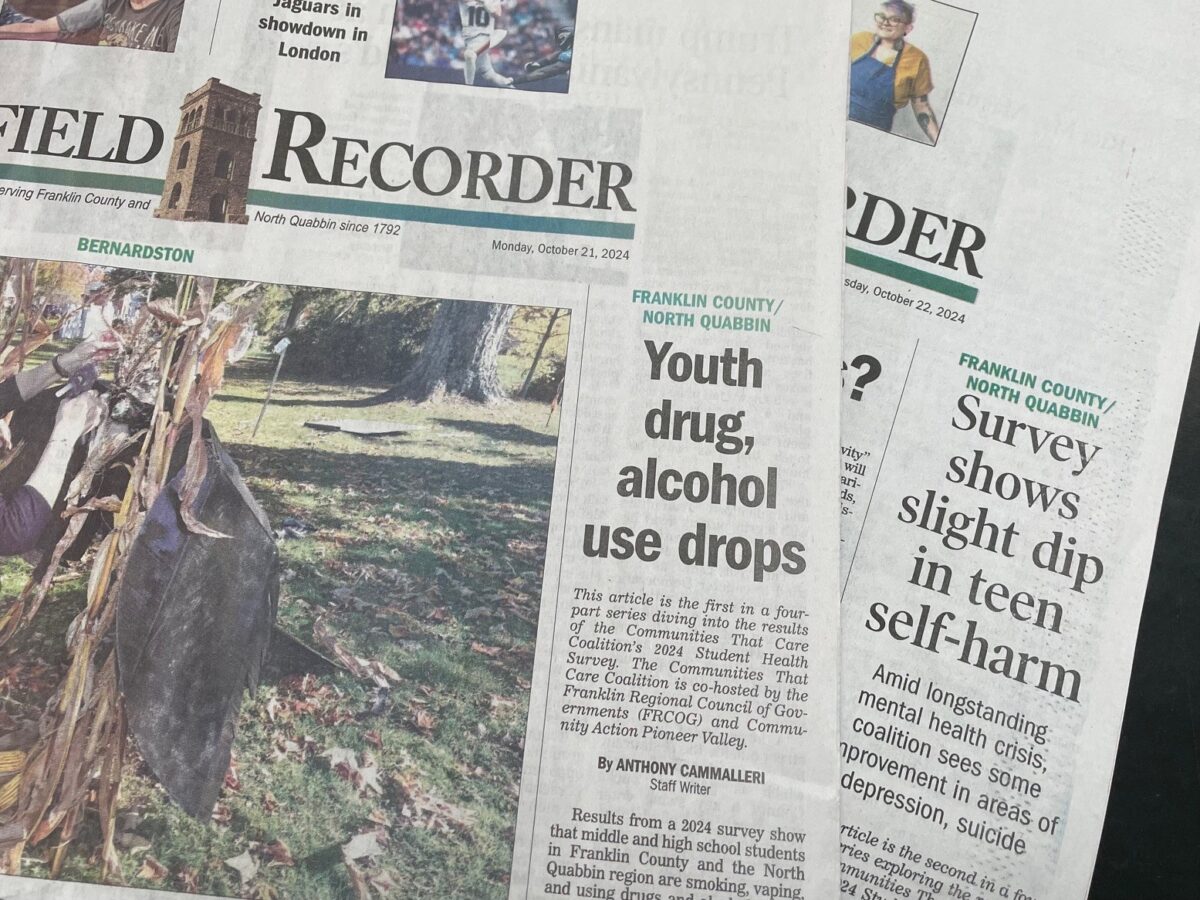
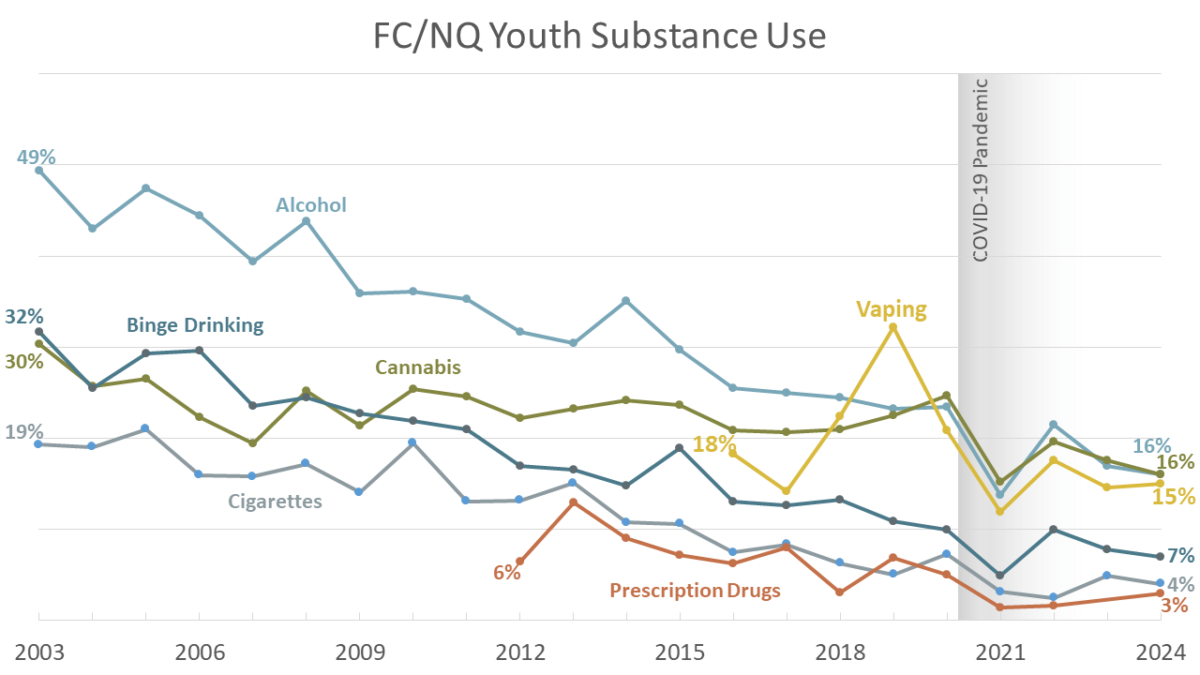
The Communities That Care released the 2024 Student Health Survey data on Friday, October 19th, at meetings at the North Quabbin Community Coalition and Baystate Franklin Medical Center. The data presentation can be found HERE and the Greenfield Recorder published a series of four articles based on the data. Find a PDF of the Recorder’s four articles HERE or go to these links on the Recorder’s Website:

Survey shows drop in youth drug, alcohol use in Franklin County, North Quabbin

Communities That Care Coalition survey shows decrease in youth self-harm, suicidal planning

Survey shows teen screen use, on the rise since 2007, dips from 2021 peak

Survey shows seven-year peak in student bullying in Franklin County, North Quabbin

Coalition Meeting and Data Release October 18th

Please join the Communities That Care Coalition for the release and discussion of the 2024 Student Health Survey data on Friday, October 18th.  New information on school climate, substance use, mental health, screen time, and equity locally. All welcome! 

Two options for participation:

In person: 11am to 1pm at the Communities That Care Coalition’s Fall Full Coalition meeting at Baystate Franklin Medical Center, 164 High Street in Greenfield, in the hospital conference rooms. Lunch provided. Registration at: https://tinyurl.com/CommunitiesThatCareOct2024

By zoom: 9am to 10:45am at the North Quabbin Community Coalition’s October monthly forum. Invite Link https://us02web.zoom.us/j/86721708478

“Perspectives on Trauma” on GCTV

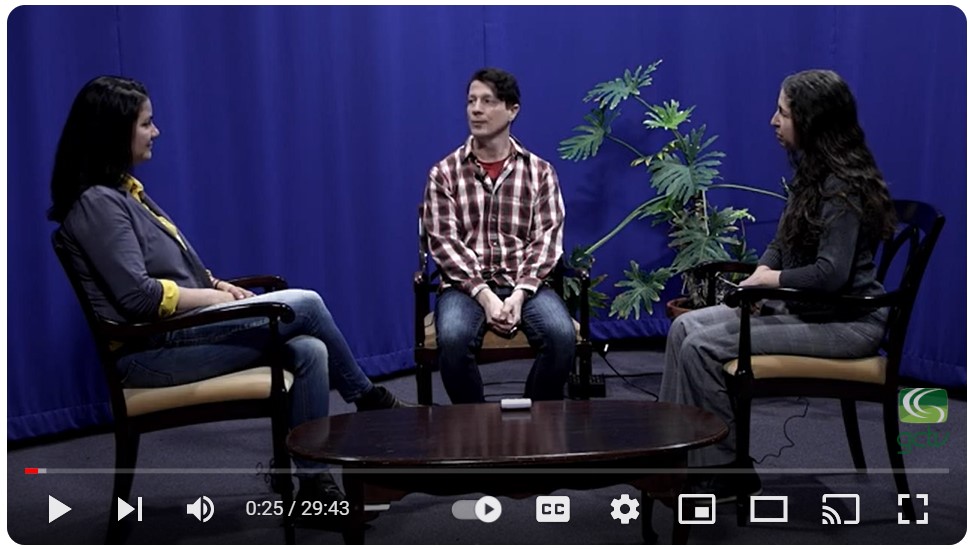
Ahmad Esfahani interviewed Leigh-Ellen Figueroa and Ilana Gerjuoy on his series on GCTV titled “Perspectives on Trauma”. On the series Esfahani interviews people from around Western Massachusetts about the topic of trauma. You can watch the interview HERE.