
Regional Policy and Norms Workgroup
Contact:
CTC Contact: Ilana Gerjuoy (This Workgroup is co-chaired by the SPIFFY Coalition.)
Ilana (at sign) frcog (period) org
The Regional Policy and Norms Workgroup meets every other month via Zoom.
Check out our shared Google folder with policy and norms resources!
Meeting Minutes for the Regional Policy & Norms Workgroup and subcommittees can be found below:
2026 RP&N Full Workgroup meeting minutes
2023 RP&N meeting minutes
2022 RP&N meeting minutes
2021 RP&N meeting minutes
Click HERE for a link to a recording of a 2022 meeting on Cannabis Social Cafes and Home Delivery featuring guest speakers: Margaret Hurley, from the Attorney General’s Central MA Division and Massachusetts Municipal Association (MMA) legislative team Dave Koffman and Ali DiMatteo.
What we do
The Regional Policy and Norms Workgroup (formerly the Policy and Practice Change Workgroup) brings together public health professionals, town officials, agencies that work on laws, policies, and enforcement, and other partners who wish to create policy-level change for substance misuse prevention. The group focuses on the following risk factors:
- community laws and norms favorable to substance use
- perceived risk of harm from substance use
Core programs & practices that directly support the workgroup’s goals
Many of these strategies are organized or coordinated by the workgroup:
- Provide information and education on best practices in local and statewide policy to prevent and reduce youth substance misuse through meetings, materials, and events
- Share information on current efforts to improve and update policy that support youth health, including youth substance misuse prevention
- Support opportunities for youth and adults to provide public comments and testimony at hearings and other public forums
- Upon request, support local Boards of Health and Selectboards in adopting policies that support youth health and substance misuse prevention
- Provide education on effects of substances on developing brain, and local policy implications
- Support alcohol compliance checks & coordinate with tobacco, paraphernalia, and other checks
- Promote Rx drug drop boxes and Take-Back Days
- Strengthen partnership with Recover Project & work to become a sober-friendly community
- Support and promote progress and best-practices in trauma-informed practices

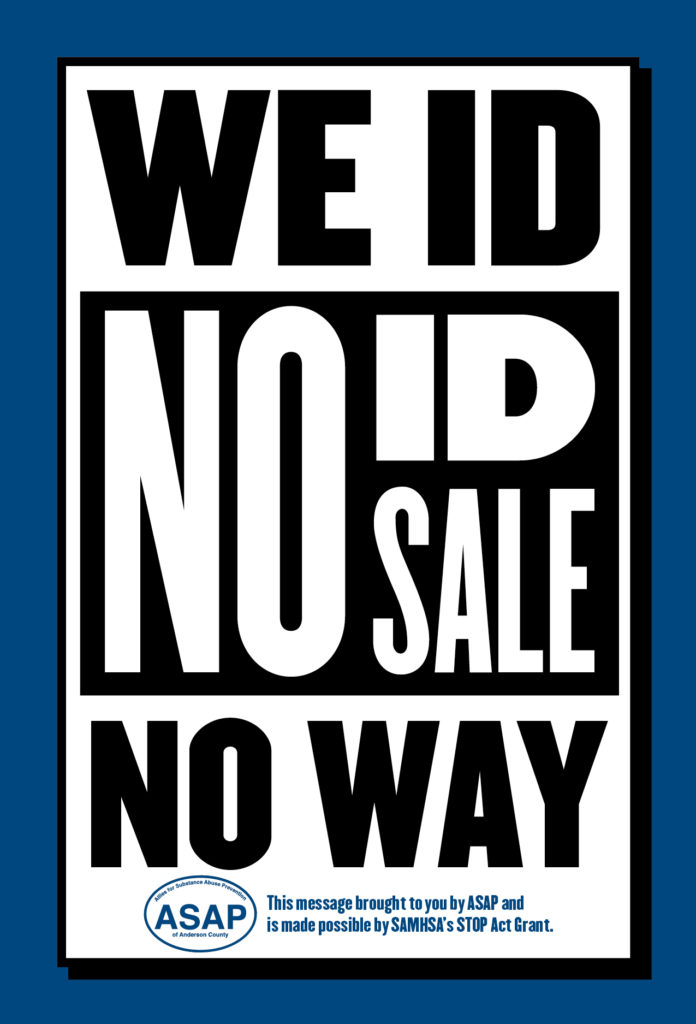
Some of the programs & practices led by other groups, including CTC partner members, that are most closely allied with the workgroup’s goals:
- Municipal and statewide policies & enforcement for preventing underage drinking and youth substance use
- Municipal and statewide policies & enforcement for preventing youth cannabis use
- Comprehensive tobacco policies & enforcement on state and local level
- Work to become a trauma-informed community
- Above the Influence, social norms marketing and other campaigns (see Youth Leadership Initiative work for more details!)
- State Without StigMA campaign
- Scope of Pain Trainings
- Safe Prescriber Pledge
- Opioid & other drug education for all student athletes
- Signage for local parks re: smoking and vaping
And just why do we care about these community norms?
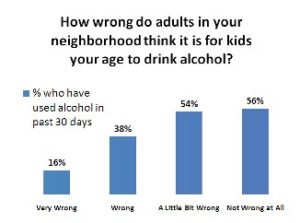
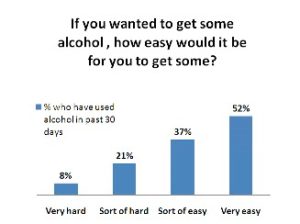
Young people who believe adults in their community think underage drinking is wrong are less likely to drink than young people who think adults don’t care. Similarly, young people who think alcohol is difficult to obtain are less likely to report drinking than their peers who find it easy to access alcohol. Here’s what our local data show:
Responsible server training
Training for staff in licensed alcohol establishments that uses best practices helps to prevent intoxication, drunk driving and underage drinking. Participants receive training in acceptable forms of identification, how to recognize fake and altered IDs, how to handle intoxicated and problem customers, preventing second party sales (when legal age persons purchase alcohol for underage people) and regulations that govern the sale of alcohol. The training provides clerks and servers skills to do their jobs safely and legally, and gives them the certification their employers require to obtain liability insurance for their establishments.