
My Turn: “Steering our children clear of addiction”

Kat Allen’s My Turn column ran in the Greenfield Recorder July 22, 2016. It highlights some of what parents of younger kids can do to prevent substance use.

Of course, I don’t mean to make it sound like this stuff [like locking up alcohol and hiding ’empties’] is all there is to substance use prevention. There’s the all-important emotional skills (how do you handle big feelings like anger and anxiety in healthy ways?) and social skills (how do you make a new friend, or say “no” politely to a request from a friend?) that we’re teaching them — intentionally or not — through modeling and teachable moments.

And I’m delighted to report that nearly all of our local middle schools are teaching this, too, by offering the LifeSkills program.

And there’s the super-protective-factor of the warm, caring, safe relationship that kids have with their parents. These are far beyond the scope of my locking cabinet in the pantry but obviously tremendously important to drug and alcohol prevention and just about everything else in life.

Kat Allen

In case you missed it, you can find the article here.
Family Day

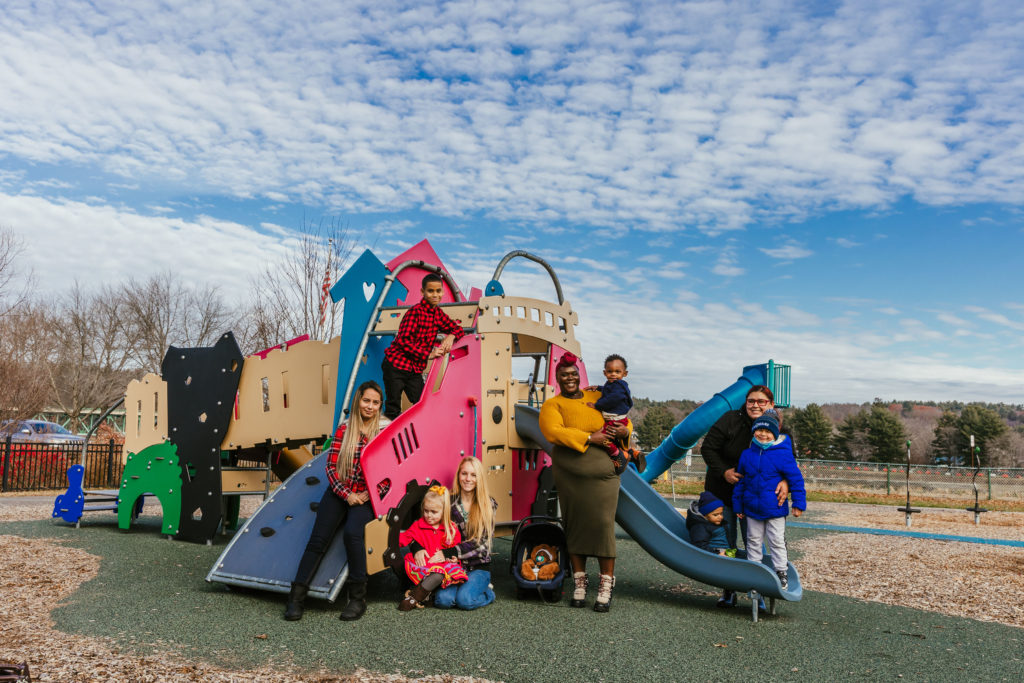
PEER Ambassadors and Families at Unity Park in Tuners Falls

Family Day is a national celebration of family dinners and a reminder of the importance of spending quality time together as a family. s youth grow and reach their developmental competencies, there are contextual variables that promote or hinder the process. Family dinners are proven to promote these competencies.

The benefits of families enjoying meals together include opportunities to:

  • Connect as a family to talk about almost anything
  • Cook with your children
  • Give your children regular chores, like setting the table or helping to clean up after the meal

While these may sound simple or mundane, they’re vital protective factors that correlate with positive teen health outcomes related to decreased substance use.

A protective factor is often defined as “a characteristic at the biological, psychological, family, or community (including peers and culture) level that is associated with a lower likelihood of problem outcomes or that reduces the negative impact of a risk factor on problem outcomes.”

O’Connell, Boat, & Warner, 2009 p. xxvii

You’ll find lots of ideas about family-friendly meals, conversation starters, dinnertime games, and more (like getting everyone to help prepare dinner and clean up afterwards!) at the Family Dinner Project and Family Day websites. Here’s a post (with recipes!) about Family Dinner Day from our Parent Education Workshop, and listen in here for an interview with Bekki Craig of  CTC’s Parent Education Workgroup on WHAI about Family Day.